12 Days Wild Romance
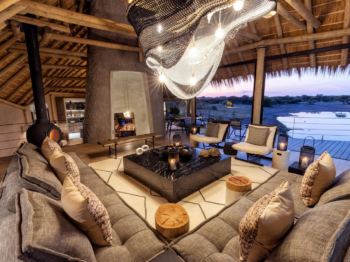
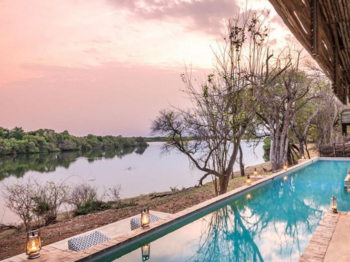
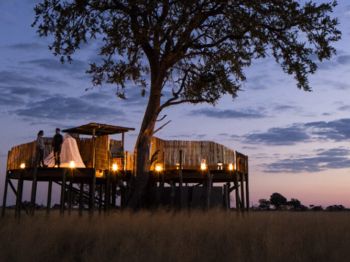
Retreat on wild romance to a romantic paradise of palm trees and white sand, surrounded by coral reefs and bath-warm waters of the Indian Ocean, find yourselves alone with your lover and enjoy a glass of wine as you feel the gentle waves crashing at your feet and admire pretty shells washed up on the shore. We carefully selected opulent camps and lodgings, offering intimacy, space and privacy. We guarantee your stay to be special as you’re.
- Overview
- Itinerary
- Price
- Before You Go
Itinerary at a Glance
Arrival And Fly to Naboisho Conservacy, Masai Mara
Game Drive And Community Visit
Full Day Game Drive
Transfer To Olare Motorogi Conservancy
Explore The Conservancy -Olare Motorogi Conservancy
Transfer To Mara North Conservancy
Game Drive And Walking Safari
Day 8 -11: Leisure
Departure
Arrival And Fly to Naboisho Conservacy, Masai Mara
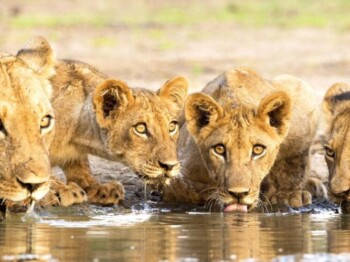
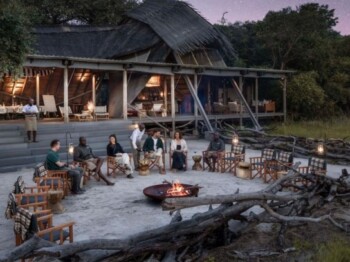
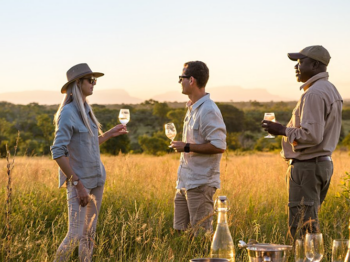
Upon arrival at Jomo Kenyatta International Airport, you’ll be welcomed by our Luxury Africa representative and later transferred to Wilson Airport for your scenic scheduled flight to Mara Ol Seki Airstrip. Upon arrival, you’ll be met and transferred by road to Naboisho Camp in the conservancy. Mara Naboisho Conservancy consists of 50,000 acres (20,000 hectares) of pristine wildlife territory and spectacular scenery. Despite its short time in operation, Naboisho has become renowned for its bountiful biodiversity and breathtaking beauty. The density of lions within Naboisho is one of the highest in the world. Safaris in Naboisho Conservancy are more exclusive due to the limited number of vehicles per game drive; you will experience the African wilderness without the crowds. Check in at Naibosho camp and watch the sunset over the plains of Africa whilst sipping a cocktail to celebrate the first night of your honeymoon.
Game Drive And Community Visit
Full Day Game Drive
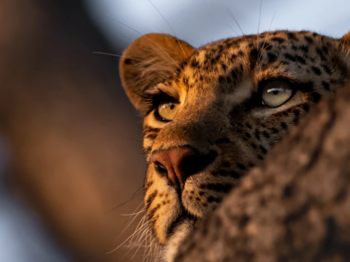
Spend a full day moving in the Masai Mar with 360° swivel seats. You’ll soon realize why this reserve is so highly regarded as the best reserve in Africa. Vast plains extend beyond the horizon, the landscape punctuated by great herds of zebra and wildebeest. Every year, millions of wildebeest, zebra, and Thomson’s gazelle pound their way across the savannas in an instinctual survival of the fittest. Another big draw card to the Masai Mara is its dense population of predators, which include lions, hyenas, jackals, cheetahs and the ever-elusive leopard, which sometimes requires a trained eye to spot. Return for dinner and overnight at the Camp after the memorable experience
Transfer To Olare Motorogi Conservancy
After a sumptuous breakfast, you’ll be transferred by road to head to Olare Motorogi Conservancy. Down your bags and go for lunch. Later you’ll go for an evening game drive. With an astounding volume and variety of wildlife, the Conservancy offers some of East Africa’s finest, year-round wildlife viewings. The area boasts one of the highest concentrations of big cats in Africa and over 300 bird species, including 50 different species of raptors. Overnight stay at Mahali Mzuri
Explore The Conservancy -Olare Motorogi Conservancy
Olare Motorogi Conservancy offers an incomparable wildlife viewing experience in an uncrowded wilderness. All the drama that only nature can provide is on your doorstop; you won’t need to go far to see some unforgettable sights. The area is also home to roughly 150,000 Loita wildebeest that don’t make the annual migration south and seem content to ‘loiter’ all year round! In the morning, you’ll head out early before the sun rises to witness the remnants of last night’s activities. You may chance upon big cats hunting their prey, mongoose peeping their heads up from behind bushes, and porcupines scampering across dirt paths away from the echoing rumble of your vehicle. An afternoon game drive and sundowners will conclude your extensive exploration of Kenya’s wilderness. For overnight stay at Mahali Mzuri
Transfer To Mara North Conservancy
Wind up the safari with an early morning Game drive culminating with a Bush breakfast. Afterwards, gather your things and revel in a game drive that will lead you to a few remaining animal viewing hotspots before you arrive at Mara North Conservancy. After a leisurely afternoon at camp, you will go for an evening game drive as the bush glows golden and predators begin to stir from their slumber. Return to camp after dark, scanning the bush with a flashlight to pick up the reflective orbs of nocturnal animals’ eyes, from bush babies to African hares or Swap out the evening game with relaxation Mara Plains Camp
Game Drive And Walking Safari
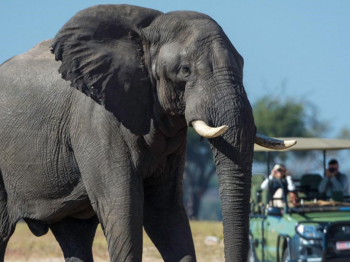
Wake up early morning and go for a game drive. Grazing animals make the most of cooler conditions and the tracks of leopards , lions or hyenas are still fresh from their night-time hunts. After a mouthwatering bush breakfast, you will continue to look out for animals. You might encounter a huge bull elephant looking for a female herd, twitchy herds of zebra, impala and Thomson’s and Grant’s gazelles keeping a look out for hidden predators, and, lounging in the shade, a pride of lion spanning various ages, from tufty-manned adolescent males to well-respected mothers and golden-spotted cubs. From here, you will return to the camp for lunch and a leisure afternoon. When the sun set off and the bush glow golden, you will go for a walking safari. Step onto the savannah, and in no time your perception of the world around you starts to shift: noises amplify, smells heighten, distances morph. Your ranger will show you how to track animals and will brief you on how to approach the animals always keeping a safe distance. Return to the lodge for dinner and overnight Mara Plains Camp
Day 8 -11: Leisure
Explore the coastline, Dine barefoot on the beach in the spectacular light of the Full Moon as it sashays and shimmers across the Indian Ocean, Celebrate in style and enjoy a private dining experience to be remembered. Work with our butler to create your own dream meal.
Departure
After an incomparable breakfast, you’ll travel by boat and meet your drive on the shore. He will transfer you to Diani Airstrip for your scheduled flight to Kilimanjaro Airport and connect with your international flight
Prices are in USD, per person, based on double occupancy
Tour Includes
Tour Excludes
Getting here
There are three major international airports in Tanzania and all have good international connections from most major cities in Europe and North America.
- Kilimanjaro International Airport (JRO): common entry point into the country for those exploring the Northern Safari Circuit that includes the Serengeti, the Ngorongoro Crater, Tarangire National Park and Lake Manyara.
- Julius Nyerere International Airport (DAR): for those visiting Dar es Salaam or the Southern Safari Circuit that includes Selous Game Reserve, and Ruaha National Park.
- Abeid Amani Karume International Airport (ZNZ): for those heading straight to Zanzibar
Passport and Visas
Applicants must ensure that their passports have a validity of at least six months and at least two unused visa pages before submitting their application. You can now apply for an Online Visa to visit the United Republic of Tanzania (both Tanzania Mainland and Zanzibar). Visa applicants are advised to make their applications through the Official Tanzania Immigration website (www.immigration.go.tz) ONLY and Not through any other links
Note: Visas can be bought on arrival in Tanzania at all international airports and overland borders.
Climate
Tanzania has a tropical climate but has regional variations due to topography. In the highlands, temperatures range between 10 and 20 °C (50 and 68 °F) during cold and hot seasons respectively. The rest of the country has temperatures rarely falling lower than 20 °C (68 °F). The hottest period extends between November and February (25–31 °C or 77.0–87.8 °F) while the coldest period occurs between May and August (15–20 °C or 59–68 °F).
Health
Malaria is usually top on the list of visitors’ worries, and prevention goes a long way towards keeping you protected. Make sure to visit your doctor to get a prescription for the anti-malarial drug the best suit you. The yellow fever vaccination is no longer officially required when entering Tanzania; however, this is still a requirement if you wish to visit Zanzibar.
Vaccination
The best choice of vaccines for your trip depends on many individual factors, including your precise travel plans. Vaccines commonly recommended for travelers to Africa include those against Health Effects Such as Tetanus, Diphtheria, Polio, Typhoid, Hepatitis A, Hepatitis B, Yellow fever, Rabies and Meningitis. Certificate required for entry into, or travel between, some African countries. Several of these vaccines require more than one dose or take time to become effective. It is always best to seek advice on immunization well in advance, if possible, around 6 weeks before departure.
At least 8 weeks before your trip, check the latest country-specific health advice from the National Travel Health Network and Centre (NaTHNaC) on the TravelHealthPro website. https://travelhealthpro.org.uk/country/220/tanzania, each country-specific page has information on vaccine recommendations, any current health risks or outbreaks, and factsheets with information on staying healthy abroad.
COVID-19 requirement
All travelers must provide printed, documented proof of a negative COVID-19 PCR test taken within the past 72 hours immediately upon arrival in Tanzania. Any person failing to present a negative COVID-19 PCR test result will not be allowed to enter the country.
Each passenger is also required to complete an individual form. Children traveling with a guardian/parent will also need to complete their own form. To complete the Travelers Surveillance Form you will need your passport information, your travel details, including times and dates. Upon Submission of the form, travelers will receive a confirmation notification that will contain their Unique Health Code (UHC) which they will present upon arriving in Tanzania at health desk. Please note that this form can only be submitted within 24 hours before arrival. To access this form, please visit. https://afyamsafiri.moh.go.tz/#/home
Note: COVID rules and regulations are subject to change from time to time. Get in touch with us for accurate new rules before travel.
Language
English is widely spoken but few words of Swahili can be useful and will be appreciated greatly by locals.
Money
Major foreign currencies, particularly-US$, and travelers cheques are accepted and are convertible at banks and bureau de changes in the main town and tourist areas. Credit cards are not widely accepted and carry poor exchange rates. Some banks in Arusha, Moshi and Dar es Salaam offer ATM facilities against international credit cards, but ATMs are not widely available elsewhere
Time: 3hrs + GMT
Electricity: 230V, but power failures, surges and troughs are common. Bring a universal adaptor and a torch (flashlight) or headlamp.
Telephone: International telephone code +255
Getting Here
Most major European and African airlines—including Kenya Airways—fly into Jomo Kenyatta International Airport in Nairobi, which is Kenya’s main airport. Kenya Airways also flies nonstop from the U.S (New York). The fastest routes to Nairobi are usually two nonstop legs routed through London or another European city such as Amsterdam, Frankfurt or Paris. Other possible connections are available through the Middle East, Qatar and Dubai; and via Asia, Kenya Airways has flights between Nairobi and Bangkok, Hanoi, Hong Kong and Guangzhou in China.
Airports in Kenya:
- Jomo Kenyatta International Airport (JKIA), Nairobi.
- Moi International Airport, Mombasa.
- Wilson Airport, Nairobi.
Passport and Visa
To enter Kenya a valid passport and must be valid for six months after the return of your journey and should also have sufficient blank visa pages for entry and exit stamps. Please note that it is the guest’s sole responsibility to acquire the appropriate valid travel documents. If you do not have the proper documentation, you may be denied boarding or entry without a refund. You can apply for your e-Visa online fast and safely – anywhere and anytime and get it within 48 hours www.evisa.go.ke. You must produce a printed copy of the e-visa at check-in or you won’t be allowed to travel. The e-visa is valid for 90 days from the date of approval – not from the date of arrival in Kenya – which can take up to seven days.
Vaccination
A Yellow vaccination certificate is required ONLY if you are travelling from The CDC and WHO each provide a current list of all affected countries. If vaccination for yellow fever is necessary, you must carry an International Certificate of Vaccination provided by your physician; you may be denied entry without it. If your physician advises against receiving the vaccination because of your personal medical history, he or she can provide you with the necessary documentation for the country/countries you are visiting.
At least 8 weeks before your trip, check the latest country-specific health advice from the National Travel Health Network and Centre (NaTHNaC) on the TravelHealthPro website. https://travelhealthpro.org.uk/country/117/kenya, each country-specific page has information on vaccine recommendations, any current health risks or outbreaks, and factsheets with information on staying healthy abroad.
COVID Test requirements for arriving passengers
Passengers must have a negative PCR based Covid-19 certificate carried out within 96 hours prior to the departure date. The mandatory Ministry of Health Travellers Health Surveillance online Form must be filled out and submitted prior to travel. The online form should be accessed from the Ministry of Health website: https://ears.health.go.ke/airline_registration/. After submitting the travel surveillance form, Passengers are advised to download the QR code. Passengers will be required to display the received QR codes to port health officials on arrival for them to be allowed to proceed to arrival immigration. Arriving passengers will be required to undergo a 14-day quarantine except if they are coming from the exempted countries. COVID rules and regulations are subject to change from time to time. Get in touch with us for accurate new rules before travel.
Getting around in Kenya
The entry point into Kenya is usually via the capital city, Nairobi. Most safari and domestic flights leave from Wilson Airport, 6 km south of the city. Some parks are easy to get to by road, whereas others are best accessed by air.
Climate
The cost is always hot with an average daytime temperature of 27-31 degrees centigrade whilst the average daytime temperature in Nairobi is 21-26 degrees centigrade. Temperatures elsewhere depend on altitude. July and August mark the Kenya winter. Typically, January-February is dry, March-May is wet, June-September is dry, and October-December is wet.
Time
GMT +3 all year-round. Kenya maintains an almost constant 12 hours of daylight, sun-up and sun-down being at around 6.30 and 18.45 daily, and varying only by 30 minutes during the year.
Currency
Kenya has a cash-based economy. Cash transactions can be made in U.S. dollars or local currency (Kenyan Shillings), U.S. dollars should be recently issued bills in smaller denominations. Access to ATM machines is available in Nairobi but limited in rural areas. All major international cards are accepted.
Language
English (official), Kiswahili (national), multiple ethnic language (Bantu, Cushitic and Nilotic language group).
Electricity: 220-220 volts, with standard 13-amp square three-pin plugs
Telephone: International telephone code +254
Related Journeys

6 Days The Island Of Zanzibar
6 days16 Days Of The Wild Frontiers
16 days10 Days In The Heart Of The Wild
10 days4 Days Wines and Cape town
4 days8 Days South Africa’s Masterpiece
8 days10 Days Wines And Wilderness
10 days12 Days Namibian Zenith
12 days21 Days The Tripple Crown Of Southern Africa
21 days12-Days Ultimate Bostwana Circuit
12 days18 Days Golden Triangle
18 days9-Days Zimbabwe & Wilderness
10 days10 Days the Ultimate Zimbabwe Luxury Safari
10 days8 Days Rivers And Wilderness
8 days16 Days Gorillas & Vic Falls
16 days23 Days Dunes To The Delta
23 days8 Day Water Safari and Wilderness
8 days20 Days Starlit Skies
20 days
16 Days Under The Stars
16 days15 Days Magical Moments
15 days15 Days Love Nest & Paradise Island
15 days12 Days Intimate Safari and Secluded Island
12 days