Namibia
Namibia defies the senses. It is a place where the sun paints in shades of ochre and violet, turning the desert into a living canvas of transcendent experiences. To stand among the giant red dunes of Sossusvlei or beside a lagoon clouded pink by thousands of flamingos is to see the world as it was at the dawn of time.
It is silent, it is spectacular, and it is utterly haunting. It remains a premier destination for travelers seeking solitude, dramatic photography, and sustainable luxury.
1.Top Destinations & Experiences
Sossusvlei & Deadvlei: Home to the iconic red sand dunes (some over 300m high) and the haunting skeletal camelthorn trees of Deadvlei. Dune 45 and Big Daddy are the most famous climbs for sunrise views.
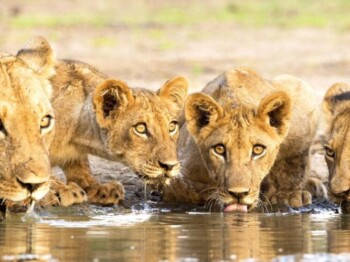
Etosha National Park: One of Africa’s greatest wildlife sanctuaries. During the dry season, animals like lions, elephants, and black rhinos congregate around waterholes, making sightings easy and frequent.
The Skeleton Coast: A remote, foggy stretch of coastline littered with shipwrecks and whale bones. It offers a “cinematic” experience with dunes that drop directly into the icy ocean.
Damaraland: Known for its rugged beauty, ancient rock art at Twyfelfontein, and unique desert-adapted elephants and rhinos.
Swakopmund: A coastal town with German colonial architecture, offering a mix of relaxation (coffee and seafood) and adventure (skydiving and dune boarding).
Fish River Canyon: The second-largest canyon in the world, ideal for serious hikers and sunset photography.
2.Best Time to Visit
Dry Season (May – October): Best for Wildlife. Vegetation is sparse, and animals gather at permanent waterholes. Days are sunny and pleasant (20°C–27°C), but desert nights can drop below freezing.
Green Season (November – April): Best for Photography & Birding. The landscape turns lush, and dramatic thunderstorms create incredible skies. This is also calving season for many animals. It can be very hot, sometimes exceeding 40°C in the desert.
Practical Travel Information
3.Visa Requirements: * Many nationalities (approx. 56 countries) are visa-exempt for up to 90 days.
Namibia has recently expanded its Visa on Arrival and e-Visa programs for eligible countries (e.g., several EU nations). Fees are roughly NAD 1,600 (~$90 USD) for non-African nationals.
Passports must have 6 months validity and at least 3 blank pages.
Safety & Driving: * Namibia is generally safe, but road accidents on gravel roads are the biggest risk. Do not exceed 80 km/h on gravel.
Driving is on the left. A 4×4 is highly recommended for exploring remote areas.
Avoid driving at night due to wild animals (like kudu) crossing the road.
Health: Malaria is a risk primarily in the northern regions (Etosha and Zambezi strip). Consult a doctor for prophylaxis.
Currency: The Namibian Dollar (NAD) is pegged 1:1 to the South African Rand (ZAR). Both are accepted everywhere.
Luxury Lodges (Fly-in Specials)
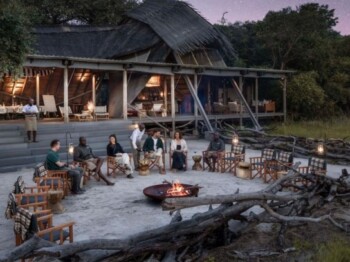
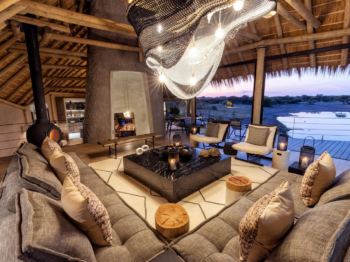
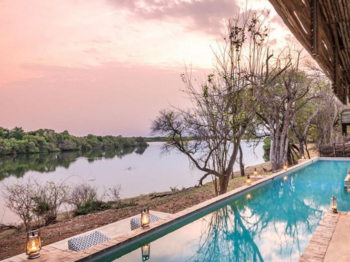
For high-end travelers, Namibia offers some of the most exclusive “off-the-grid” luxury in the world:
Beyond Sossusvlei Desert Lodge: Ultra-exclusive villas with retractable roofs for stargazing.
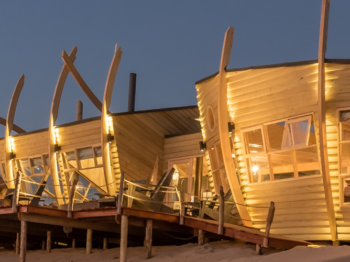
Shipwreck Lodge: Located inside the Skeleton Coast National Park with cabins designed to look like shipwrecks.
Hoanib Skeleton Coast Camp: Accessible only by light aircraft, offering a front-row seat to desert-adapted lions and elephants.
Onguma The Fort: A Moroccan-inspired fortress overlooking the Etosha pans.
Namibia defies the senses. It is a place where the sun paints in shades of ochre and violet, turning the desert into a living canvas of transcendent experiences. To stand among the giant red dunes of Sossusvlei or beside a lagoon clouded pink by thousands of flamingos is to see the world as it was at the dawn of time.
It is silent, it is spectacular, and it is utterly haunting. It remains a premier destination for travelers seeking solitude, dramatic photography, and sustainable luxury.
1.Top Destinations & Experiences
Sossusvlei & Deadvlei: Home to the iconic red sand dunes (some over 300m high) and the haunting skeletal camelthorn trees of Deadvlei. Dune 45 and Big Daddy are the most famous climbs for sunrise views.
Etosha National Park: One of Africa’s greatest wildlife sanctuaries. During the dry season, animals like lions, elephants, and black rhinos congregate around waterholes, making sightings easy and frequent.
The Skeleton Coast: A remote, foggy stretch of coastline littered with shipwrecks and whale bones. It offers a “cinematic” experience with dunes that drop directly into the icy ocean.
Damaraland: Known for its rugged beauty, ancient rock art at Twyfelfontein, and unique desert-adapted elephants and rhinos.
Swakopmund: A coastal town with German colonial architecture, offering a mix of relaxation (coffee and seafood) and adventure (skydiving and dune boarding).
Fish River Canyon: The second-largest canyon in the world, ideal for serious hikers and sunset photography.
2.Best Time to Visit
Dry Season (May – October): Best for Wildlife. Vegetation is sparse, and animals gather at permanent waterholes. Days are sunny and pleasant (20°C–27°C), but desert nights can drop below freezing.
Green Season (November – April): Best for Photography & Birding. The landscape turns lush, and dramatic thunderstorms create incredible skies. This is also calving season for many animals. It can be very hot, sometimes exceeding 40°C in the desert.
Practical Travel Information
3.Visa Requirements: * Many nationalities (approx. 56 countries) are visa-exempt for up to 90 days.
Namibia has recently expanded its Visa on Arrival and e-Visa programs for eligible countries (e.g., several EU nations). Fees are roughly NAD 1,600 (~$90 USD) for non-African nationals.
Passports must have 6 months validity and at least 3 blank pages.
Safety & Driving: * Namibia is generally safe, but road accidents on gravel roads are the biggest risk. Do not exceed 80 km/h on gravel.
Driving is on the left. A 4×4 is highly recommended for exploring remote areas.
Avoid driving at night due to wild animals (like kudu) crossing the road.
Health: Malaria is a risk primarily in the northern regions (Etosha and Zambezi strip). Consult a doctor for prophylaxis.
Currency: The Namibian Dollar (NAD) is pegged 1:1 to the South African Rand (ZAR). Both are accepted everywhere.
Luxury Lodges (Fly-in Specials)
For high-end travelers, Namibia offers some of the most exclusive “off-the-grid” luxury in the world:
Beyond Sossusvlei Desert Lodge: Ultra-exclusive villas with retractable roofs for stargazing.
Shipwreck Lodge: Located inside the Skeleton Coast National Park with cabins designed to look like shipwrecks.
Hoanib Skeleton Coast Camp: Accessible only by light aircraft, offering a front-row seat to desert-adapted lions and elephants.
Onguma The Fort: A Moroccan-inspired fortress overlooking the Etosha pans.

16 Days Of The Wild Frontiers
16 days10 Days In The Heart Of The Wild
10 days12 Days Namibian Zenith
12 days21 Days The Tripple Crown Of Southern Africa
21 days18 Days Golden Triangle
18 days23 Days Dunes To The Delta
23 days