Botswana
Zambia Awaken your senses at Mosi-oa-Tunya—The Smoke That Thunders. While Victoria Falls stands as a breathtaking monument to nature’s power, it is merely the gateway to Zambia’s best-kept secret: a realm of unspoiled solitude.
Beyond the mist lies a land that has preserved its “off the beaten path” soul, offering a rare, intimate connection to the wild. From the raw abundance of its river systems to the profound warmth of its people, Zambia isn’t just a destination; it is an invitation to experience Africa in its most authentic, unscripted form.
While others follow the crowds, the discerning traveler finds sanctuary here amongst the legendary walking safaris of the Luangwa and the labyrinthine channels of the Lower Zambezi. Experience a world of staggering wildlife diversity and a culture of genuine grace. This is Africa, distilled and spectacular.
Below is the essential tourism and travel information.
1. Top Destinations & Experiences
Victoria Falls (Livingstone): Locally known as Mosi-oa-Tunya (“The Smoke that Thunders”).
Highlights: Helicopter “Flight of Angels,” white-water rafting on the Zambezi, and the Devil’s Pool (a natural infinity pool at the edge of the falls, accessible typically from August to January).
South Luangwa National Park: One of the greatest wildlife sanctuaries in the world and the home of the walking safari. Often called “the Valley of the Leopards,” South Luangwa National Park is widely regarded as one of Africa’s greatest wildlife sanctuaries. Spanning 9,050 square kilometers in eastern Zambia, it is the birthplace of the legendary walking safari and remains one of the most raw, high-density wildlife destinations .
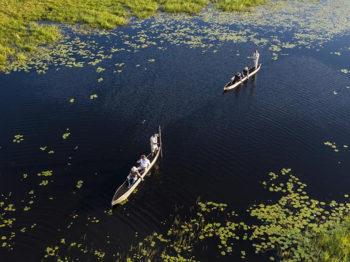
Lower Zambezi National Park: Often referred to as one of Africa’s most scenic wilderness areas, Lower Zambezi National Park sits in southeastern Zambia, directly across the river from Zimbabwe’s Mana Pools National Park. This 4,092-square-kilometer park offers a unique “water-and-wilderness” experience, characterized by the mighty Zambezi River and the dramatic backdrop of the Zambezi Escarpment.Known for water-based safaris. You can canoe past elephants and hippos or enjoy world-class tiger fishing.
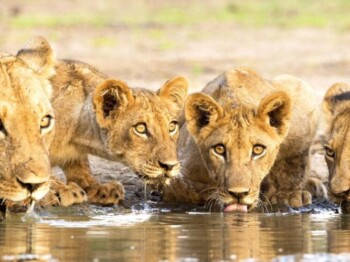
Kafue National Park: As Zambia’s oldest and largest sanctuary, Kafue National Park is a massive wilderness covering 22,400 square kilometers. Its sheer size and diverse habitats—ranging from the seasonally inundated Busanga Plains to the Miombo woodlands and the Kafue River make it one of the most species-diverse parks in Africa The Busanga Plains in the north offer incredible lion sightings and unique hot air balloon safaris.
Liuwa Plain: Located in the remote far west of Zambia, Liuwa Plain National Park is one of Africa’s last true wildernesses. This 3,660-square-kilometer park is defined by vast, flat golden grasslands and seasonal pans, offering a starkly different landscape and experience compared to the riverine woodlands of the Luangwa or Zambezi valleys. Famous for the second-largest wildebeest migration in Africa .The Spectacle between October and November.
2. Best Time to Visit
Dry Season (June – October): Best for wildlife viewing as animals congregate around water sources. Vegetation is thin, making spotting easier.
Victoria Falls Peak (March – May): The falls are at their most powerful after the rains. Note that by October/November, the Zambian side of the falls can almost completely dry up.
Green Season (December – April): Ideal for birdwatching and photography (lush landscapes). Many remote bush camps close during this time due to inaccessible roads.
3. Entry Requirements & Visas (2026 Update)
Zambia has significantly eased its visa policy to boost tourism:
Visa-Free Entry: As of late 2025/2026, citizens from over 160 countries (including the UK, USA, Canada, Australia, and most EU nations) can enter Zambia visa-free for tourism for up to 90 days.
KAZA Univisa: If you plan to cross between Zambia and Zimbabwe (e.g., to see both sides of Victoria Falls), you can obtain a KAZA Univisa for $50, which allows multiple crossings between the two countries for 30 days.
4. Getting Around: Fly-in vs. Road
Fly-in Safaris: Because national parks are far apart and roads can be challenging, most luxury travelers use domestic carriers like Proflight Zambia or private charters to hop between bush airstrips.
Road Travel: Main roads between Lusaka and Livingstone are paved, but 4×4 vehicles are essential for self-driving in any national park. Driving at night is strongly discouraged due to potholes, lack of lighting, and wandering livestock.
5. Luxury Accommodation Examples
Zambia specializes in intimate, high-end “bush camps” rather than massive hotels.
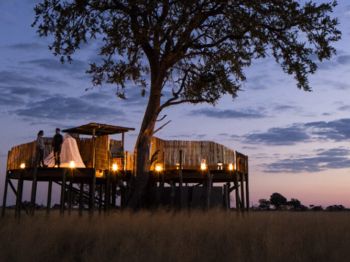
Sausage Tree Camp (Lower Zambezi): Ultra-luxury tented suites with private plunge pools.
Chichele Presidential Sands (South Luangwa): A historic hilltop lodge with panoramic views.
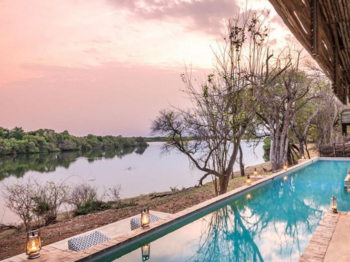
Toka Leya (Livingstone): A Wilderness Safari camp located right on the banks of the Zambezi, minutes from the falls.
6. Health & Safety
Malaria: Zambia is a high-risk malaria zone; prophylaxis is strongly recommended.
Vaccinations: A Yellow Fever certificate is required if you are arriving from a country with risk of transmission.
Safety: Zambia is generally considered one of the safest countries in Africa for travelers. Standard precautions apply in cities like Lusaka: avoid walking at night and keep valuables out of sight.
7. Cultural Tip: The Kuomboka Ceremony
If you visit in March or April, try to witness the Kuomboka Ceremony in Western Province. It marks the seasonal move of the Lozi King from his summer to winter palace via a massive, ornate barge—it is one of Africa’s most vibrant traditional festivals.
Explore Our some of Trip proposals
Zambia Awaken your senses at Mosi-oa-Tunya—The Smoke That Thunders. While Victoria Falls stands as a breathtaking monument to nature’s power, it is merely the gateway to Zambia’s best-kept secret: a realm of unspoiled solitude.
Beyond the mist lies a land that has preserved its “off the beaten path” soul, offering a rare, intimate connection to the wild. From the raw abundance of its river systems to the profound warmth of its people, Zambia isn’t just a destination; it is an invitation to experience Africa in its most authentic, unscripted form.
While others follow the crowds, the discerning traveler finds sanctuary here amongst the legendary walking safaris of the Luangwa and the labyrinthine channels of the Lower Zambezi. Experience a world of staggering wildlife diversity and a culture of genuine grace. This is Africa, distilled and spectacular.
Below is the essential tourism and travel information.
1. Top Destinations & Experiences
Victoria Falls (Livingstone): Locally known as Mosi-oa-Tunya (“The Smoke that Thunders”).
Highlights: Helicopter “Flight of Angels,” white-water rafting on the Zambezi, and the Devil’s Pool (a natural infinity pool at the edge of the falls, accessible typically from August to January).
South Luangwa National Park: One of the greatest wildlife sanctuaries in the world and the home of the walking safari. Often called “the Valley of the Leopards,” South Luangwa National Park is widely regarded as one of Africa’s greatest wildlife sanctuaries. Spanning 9,050 square kilometers in eastern Zambia, it is the birthplace of the legendary walking safari and remains one of the most raw, high-density wildlife destinations .
Lower Zambezi National Park: Often referred to as one of Africa’s most scenic wilderness areas, Lower Zambezi National Park sits in southeastern Zambia, directly across the river from Zimbabwe’s Mana Pools National Park. This 4,092-square-kilometer park offers a unique “water-and-wilderness” experience, characterized by the mighty Zambezi River and the dramatic backdrop of the Zambezi Escarpment.Known for water-based safaris. You can canoe past elephants and hippos or enjoy world-class tiger fishing.
Kafue National Park: As Zambia’s oldest and largest sanctuary, Kafue National Park is a massive wilderness covering 22,400 square kilometers. Its sheer size and diverse habitats—ranging from the seasonally inundated Busanga Plains to the Miombo woodlands and the Kafue River make it one of the most species-diverse parks in Africa The Busanga Plains in the north offer incredible lion sightings and unique hot air balloon safaris.
Liuwa Plain: Located in the remote far west of Zambia, Liuwa Plain National Park is one of Africa’s last true wildernesses. This 3,660-square-kilometer park is defined by vast, flat golden grasslands and seasonal pans, offering a starkly different landscape and experience compared to the riverine woodlands of the Luangwa or Zambezi valleys. Famous for the second-largest wildebeest migration in Africa .The Spectacle between October and November.
2. Best Time to Visit
Dry Season (June – October): Best for wildlife viewing as animals congregate around water sources. Vegetation is thin, making spotting easier.
Victoria Falls Peak (March – May): The falls are at their most powerful after the rains. Note that by October/November, the Zambian side of the falls can almost completely dry up.
Green Season (December – April): Ideal for birdwatching and photography (lush landscapes). Many remote bush camps close during this time due to inaccessible roads.
3. Entry Requirements & Visas (2026 Update)
Zambia has significantly eased its visa policy to boost tourism:
Visa-Free Entry: As of late 2025/2026, citizens from over 160 countries (including the UK, USA, Canada, Australia, and most EU nations) can enter Zambia visa-free for tourism for up to 90 days.
KAZA Univisa: If you plan to cross between Zambia and Zimbabwe (e.g., to see both sides of Victoria Falls), you can obtain a KAZA Univisa for $50, which allows multiple crossings between the two countries for 30 days.
4. Getting Around: Fly-in vs. Road
Fly-in Safaris: Because national parks are far apart and roads can be challenging, most luxury travelers use domestic carriers like Proflight Zambia or private charters to hop between bush airstrips.
Road Travel: Main roads between Lusaka and Livingstone are paved, but 4×4 vehicles are essential for self-driving in any national park. Driving at night is strongly discouraged due to potholes, lack of lighting, and wandering livestock.
5. Luxury Accommodation Examples
Zambia specializes in intimate, high-end “bush camps” rather than massive hotels.
Sausage Tree Camp (Lower Zambezi): Ultra-luxury tented suites with private plunge pools.
Chichele Presidential Sands (South Luangwa): A historic hilltop lodge with panoramic views.
Toka Leya (Livingstone): A Wilderness Safari camp located right on the banks of the Zambezi, minutes from the falls.
6. Health & Safety
Malaria: Zambia is a high-risk malaria zone; prophylaxis is strongly recommended.
Vaccinations: A Yellow Fever certificate is required if you are arriving from a country with risk of transmission.
Safety: Zambia is generally considered one of the safest countries in Africa for travelers. Standard precautions apply in cities like Lusaka: avoid walking at night and keep valuables out of sight.
7. Cultural Tip: The Kuomboka Ceremony
If you visit in March or April, try to witness the Kuomboka Ceremony in Western Province. It marks the seasonal move of the Lozi King from his summer to winter palace via a massive, ornate barge—it is one of Africa’s most vibrant traditional festivals.
Explore Our some of Trip proposals

16 Days Of The Wild Frontiers
16 days21 Days The Tripple Crown Of Southern Africa
21 days12-Days Ultimate Bostwana Circuit
12 days18 Days Golden Triangle
18 days8 Days Rivers And Wilderness
8 days16 Days Gorillas & Vic Falls
16 days23 Days Dunes To The Delta
23 days8 Day Water Safari and Wilderness
8 days